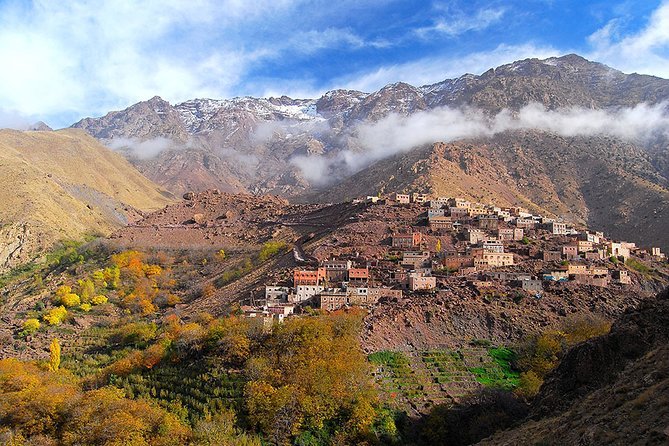
A snow-covered Toubkal is one of the most beautiful sights in North Africa, and one of the most misunderstood. Many travellers arrive in Marrakech in sunshine and assume the mountain will be the same. Climbing Toubkal in winter is a real alpine-style ascent: the summit at 4,167 m is often covered in hard snow and ice, and the wind can be fierce.
Done with the right preparation, it is an unforgettable trip. This guide explains what winter conditions look like, what equipment is non-negotiable and which itinerary gives you the best chance of success.
What is Toubkal like in winter?
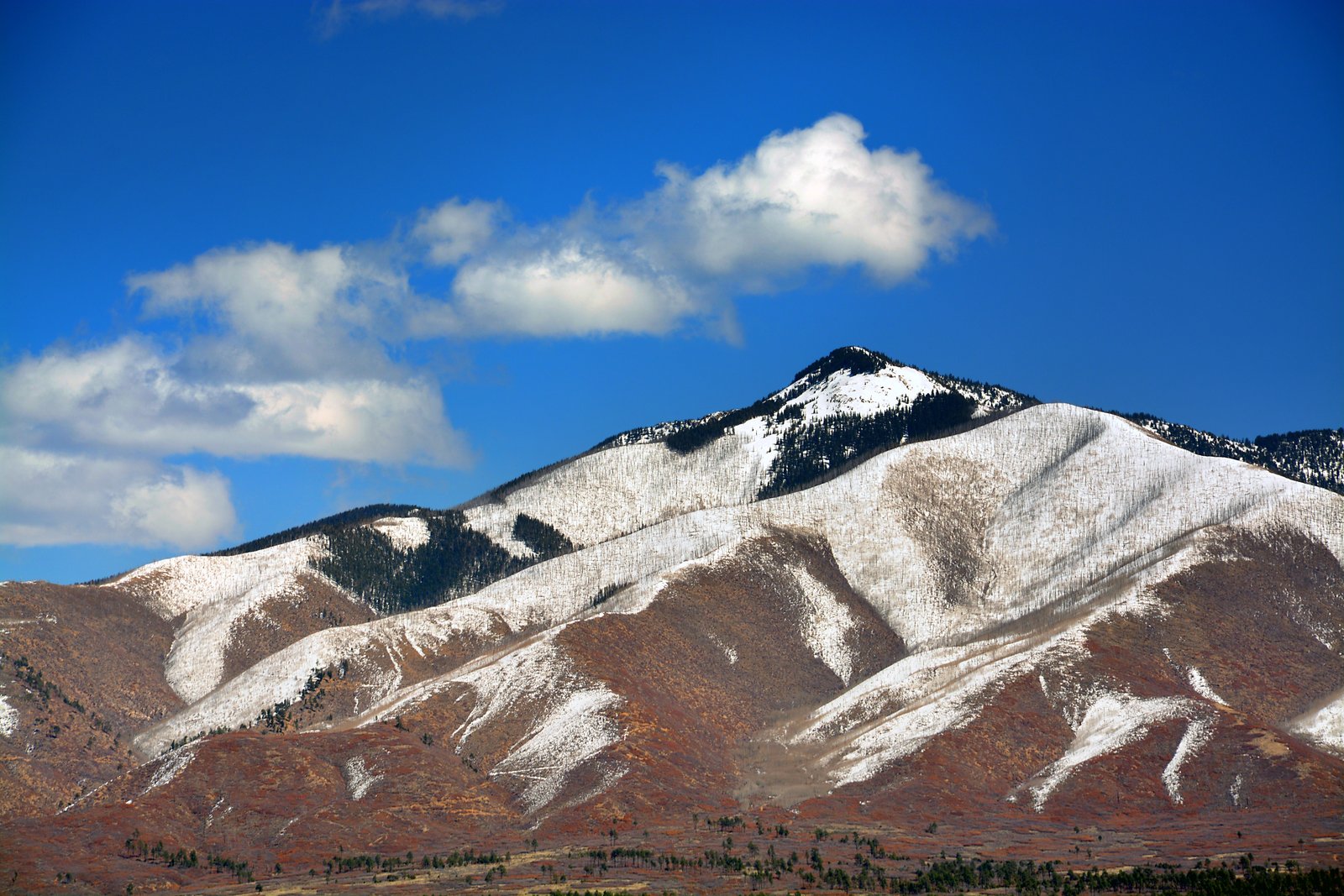
Winter on Toubkal generally runs from December to March, sometimes from late November into early April. Above the refuge (around 3,200 m), the route to the summit crosses snow slopes and a rocky ridge that can be icy in the morning. Temperatures at the summit before sunrise are frequently well below freezing and the wind chill can make it feel much colder.
- Snow: usually present from the refuge upwards; sometimes down to Imlil after a storm.
- Daylight: roughly 10–11 hours, so the summit day has less margin.
- Crowds: much quieter than summer, apart from holiday periods like Christmas and New Year.
- Access: heavy snowfall can occasionally slow the road from Marrakech to Imlil.

Winter vs summer on Toubkal
| Winter (Dec–Mar) | Summer (Jun–Sep) | |
|---|---|---|
| Summit conditions | Snow and ice, strong wind possible | Rock and scree, usually dry |
| Summit temperature at dawn (approx.) | Often well below 0 °C | Around 0 to 10 °C |
| Technical gear | Crampons and ice axe required | Trekking poles and boots |
| Recommended length | 3 days or more | 2 days possible for fit walkers |
| Experience needed | Previous winter walking strongly advised | Good fitness is enough |
| Trail traffic | Quiet | Busy, especially July–August |
Essential winter equipment
Winter gear is the difference between a safe ascent and turning back at the refuge. Crampons and ice axes can often be rented in Imlil or at the refuge, but check the fit before you leave the village.
- Crampons compatible with your boots (stiff-soled trekking or mountaineering boots).
- Ice axe, and the knowledge of how to use it; your guide can give a short briefing.
- Insulated jacket (down or synthetic), waterproof shell and warm trousers.
- Two pairs of gloves (liner + warm mitts), warm hat, buff and glacier sunglasses or goggles.
- A warm sleeping bag rated for sub-zero nights if the refuge is cold.
- Headlamp with spare batteries for the pre-dawn start.
Our full Toubkal packing list covers the rest of the kit in detail.
How a winter ascent works, step by step
- Drive from Marrakech to Imlil (about 1.5 hours) and meet your guide and muleteer.
- Walk to the refuge via Aroumd and the shrine of Sidi Chamharouch, typically 5–6 hours in winter. Mules carry the heavy bags as far as snow allows.
- Gear check and briefing at the refuge: crampon fitting, ice axe use and the plan for the summit morning.
- Summit push before dawn, usually 3.5–5 hours up, depending on snow and fitness.
- Descent to the refuge and Imlil, with the option of an extra night if the weather or energy levels require it.
Which itinerary for Toubkal in winter?
We generally advise against rushing a winter ascent. The 3-day Toubkal trek from Imlil is the best fit for most winter climbers: one extra night helps acclimatisation and gives a weather window if a storm passes. Very fit and experienced winter walkers can consider the 2-day Toubkal summit trek, but expect long, tiring days.
Longer routes like the 6-day Toubkal circuit cross high passes that may be closed or dangerous in deep snow, so they are best kept for late spring to autumn. If the snow is too much for you, a day hike from Imlil to Aroumd still gives superb winter views of the summit without the technical part.
Is Toubkal in winter safe for beginners?
It can be, with an experienced guide and the right gear, but it is not the place to try crampons for the very first time without preparation. Accidents on Toubkal often happen on icy slopes during the descent, when people are tired. If you have no winter experience, consider:
- Choosing early April or November, when snow is often lighter.
- Booking 3 days and accepting that the guide may decide to turn back.
- Doing a few cold-weather hikes at home beforehand to test clothing.
Our guide to the best time to climb Toubkal compares all seasons if you are still deciding. For general travel advice on Morocco, check your government's travel page, for example the UK Foreign Office advice for Morocco.
Prices and booking for winter treks
Winter treks cost broadly the same as summer treks; on our site the Toubkal treks start from about €135–€165 per person depending on the itinerary and group size (approximate, check the trip page). Crampon and ice axe rental is usually paid locally. Book at least a week ahead around Christmas, New Year and February school holidays, when refuge beds fill up.
A typical winter summit morning
Winter summit days follow a rhythm that is worth understanding before you go. The alarm usually rings between 4 and 5 am at the refuge. Breakfast is quick: bread, tea or coffee and something sweet, because appetite is often low at altitude. Crampons are fitted inside or just outside the refuge by headlamp, and the group leaves in the dark, walking slowly in single file behind the guide.
The first section climbs a steep slope above the refuge, often the iciest part of the route in the early morning. Later, the route crosses wide snow slopes towards the Tizi n'Toubkal col, before the final ridge to the summit tripod. On a clear day you reach the top as the sun lights up the massif, with views over a sea of white peaks. Most groups spend only a short time at the summit because of the cold and wind, then descend carefully: the way down, on tired legs and softening snow, demands as much concentration as the way up.
Common mistakes on a winter ascent
- Underestimating the cold because Marrakech was sunny the day before.
- Using boots that are too soft for crampons, which leads to poor grip and cold feet.
- Leaving too late on summit morning, reducing the safety margin before afternoon wind or cloud.
- Not drinking enough, because water bottles freeze and cold reduces the feeling of thirst. Keep a bottle inside your jacket or use an insulated cover.
- Ignoring the guide's call to turn back. In winter, the decision is based on snow, wind and the group's pace, and it is always made for safety.
Avoiding these few mistakes makes a big difference. Most winter climbers who are well equipped, patient and guided by someone who knows the mountain come back with one of the best memories of their trip to Morocco.
Key takeaways
- Toubkal in winter (roughly December–March) means snow, ice and serious cold at 4,167 m.
- Crampons, an ice axe and an experienced guide are essential.
- Choose a 3-day itinerary for better acclimatisation and a weather buffer.
- Your guide has the final word on turning back: safety comes before the summit.